


Exercise as Medicine for Mental Health: What the Latest Research Tells Us
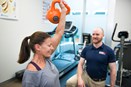
At Exercise for Rehabilitation & Health, we often say that movement is medicine. But now, the science is catching up with what clinicians and patients have seen for years. A recent large study has found that exercise can be as effective as medication or psychological therapy for reducing symptoms of depression and anxiety in many people. This reinforces the important role that structured, supported movement can play in mental health care.
What the research shows
The study analysed dozens of clinical trials involving thousands of participants and found:
- Many types of exercise improved symptoms of depression and anxiety
- Results were often comparable to medication or talk-based therapies
- Aerobic exercise showed particularly strong effects
- Group-based programs were especially helpful for depression
- Even shorter or lower-intensity programs produced meaningful benefits
The key takeaway is simple: Exercise is a legitimate, evidence-based treatment option for mental health.
Why movement makes such a difference
Exercise works on multiple levels:
Physiologically
- Releases endorphins and mood-enhancing chemicals
- Improves sleep and energy levels
- Regulates stress hormones
Psychologically
- Builds confidence and a sense of achievement
- Provides structure and routine
- Reduces negative thought cycles
Socially
- Encourages connection and support
- Reduces isolation
- Creates a sense of belonging
These combined effects are what make exercise such a powerful tool for both prevention and treatment.
Not a replacement, but a powerful part of the plan
While the findings are encouraging, exercise is not a one-size-fits-all solution. For some people, medication or psychological therapy will still be essential. But exercise can play an important role as:
- A first step for mild symptoms
- A complement to other treatments
- A long-term strategy for maintaining mental wellbeing
The best outcomes often come from a collaborative, person-centred approach, where exercise sits alongside medical and psychological care.
What type of exercise works best?
The encouraging message from the research is that many forms of movement can help. Effective options include:
- Walking or light jogging
- Cycling or swimming
- Strength training
- Yoga or Pilates
- Group exercise classes
- Supervised clinical exercise programs
The most important factor isn't the type of exercise. It's consistency and support.
How to get started safely
If you're using exercise to support your mental health:
- Start small, 10-20 minutes is enough.
- Choose something you enjoy.
- Focus on regularity, not intensity.
- Consider a supervised or group program for motivation and safety.
For people managing chronic conditions, injuries, or more complex mental health challenges, individualised guidance can make a significant difference.
How we can help
At Exercise for Rehabilitation & Health, our Accredited Exercise Physiologists work with people experiencing:
- Depression and anxiety
- Chronic stress and burnout
- Diabetes and metabolic conditions
- Persistent pain
- Neurological and balance conditions
- Cancer, heart, and respiratory conditions
Our programs are clinically designed, evidence-based, and tailored to you, so you can move with confidence and see real progress.
Take the first step
If you're feeling stuck, low on energy, or struggling with your mental health, movement may be part of the solution. A personalised exercise plan can help you:
- Improve mood and energy
- Build confidence
- Reconnect with activities you enjoy
- Create sustainable long-term habits
Book an appointment with our team today and take the first step toward better physical and mental health.
Source: The Conversation